Heart and blood vessels: Can capsules help against high cholesterol and fats?
In the fight against high cholesterol and its associated cardiovascular risks, the question arises whether specific supplements can play a role in maintaining healthy cholesterol levels. Cholesterol is a fatty substance that is essential for our bodies, but in excessive amounts in the blood, it can lead to constricted blood vessels and an increased risk of cardiovascular disease. This page explores natural methods and the potency of supplements in regulating cholesterol, with a focus on maintaining healthy cardiovascular systems.
Introduction to cholesterol: What is it and why is it important for the heart and blood vessels?
While cholesterol is vital for the structure of our cells and the production of essential hormones, the balance of cholesterol levels in our blood is crucial. Hereditary high cholesterol can contribute to an increased risk of cardiovascular disease. Hypercholesterolemia, or excessively high cholesterol levels, especially of LDL ('bad') cholesterol, can lead to the build-up of plaque in the arteries, known as arteriosclerosis, which impedes the flow of blood.
Understanding cholesterol levels: LDL, HDL and total cholesterol
Not all cholesterol is harmful - there are different types of cholesterol:
- LDL cholesterol: the 'bad' cholesterol that can build up in the vessel walls.
- HDL cholesterol: the 'good' cholesterol that helps return excess cholesterol to the liver.
- Total cholesterol: the sum of all cholesterol forms in the blood.
Familial hypercholesterolemia, an inherited condition, can lead to elevated cholesterol levels. Controlling LDL cholesterol levels is essential for maintaining a healthy heart.
LDL cholesterol
LDL cholesterol, often referred to as 'bad' cholesterol, plays an important role in cardiovascular health. When the level of LDL cholesterol in the blood is too high, it can begin to accumulate in the walls of blood vessels.
HDL-Cholesterol
HDL cholesterol, often known as 'good' cholesterol, plays a crucial role in reducing the risk of cardiovascular disease. HDL helps remove other forms of cholesterol, including LDL, from the bloodstream by transporting them back to the liver where they are broken down and removed from the body.
Increasing HDL cholesterol can often be achieved through healthy lifestyle choices such as:
- Quit smoking
- Regular exercise
- A diet rich in healthy fats such as those found in fish, nuts and olive oil
High cholesterol: natural ways to lower cholesterol
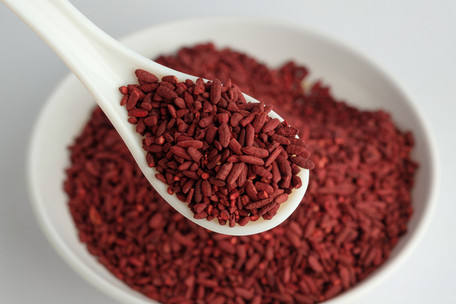
People with high cholesterol are usually prescribed statins. Alongside lifestyle changes, there is growing interest in the potential of natural supplements, such as capsules or tablets based on
red yeast rice and
black garlic to help manage cholesterol levels. These natural methods can help lower LDL cholesterol and maintain normal cholesterol levels in your blood. It is important to limit your intake of saturated fats and opt for healthy fats to reduce the risk of cardiovascular disease.
Practical tips for lowering cholesterol
- Limit saturated fat intake
- Increase consumption of foods rich in 'good' fats
- Measure your cholesterol regularly to understand the effectiveness of your lifestyle
Measure your cholesterol: how and why?
Measuring your cholesterol regularly is an essential step in managing your heart health. By knowing how much cholesterol is in your blood, you can better assess whether your lifestyle or treatment plan is effective in maintaining healthy levels.
Cholesterol measurements provide insight into different values, such as:
- Total cholesterol
- LDL cholesterol ('bad' cholesterol)
- HDL cholesterol ('good' cholesterol)
- Triglycerides - a type of fat in the blood
This test can be performed at a GP practice or clinic. Home test kits are also available for those who want to monitor their values regularly and easily. Understanding your cholesterol levels is crucial for taking proactive steps to maintain a healthy heart.
Blood pressure and fluid support
Maintaining healthy blood pressure and managing fluid levels are essential for maintaining healthy cardiovascular systems. Check out for extra support:
Natural blood support
Supporting blood circulation is good for the heart. Good
blood flow ensures that all parts of the body receive sufficient blood and oxygen, which is essential for the proper functioning of the organs.
Conclusion: proactive management of cholesterol and the heart
A combination of lifestyle adjustments, regular monitoring of cholesterol levels and the use of specific supplements and tablets can contribute to cardiovascular health. Order supplements that can support your heart easily in our webshop.