Sleep: essential for your health and well-being
Let's talk about something we all love but rarely really think about: sleep. We spend about a third of our lives dreaming and snoring, but why really? What exactly happens when we sleep and why is it so important for our well-being?
What happens during sleep?
When we close our eyes for the night, a fascinating journey through different sleep stages begins in our body. The two main players in this story are REM (Rapid Eye Movement) sleep and non-REM sleep, each with their own unique phases. These sleep cycles are like a nightly rest stop - they help our bodies and minds recharge and get ready for a new day.
Non-REM sleep
This form of sleep consists of three phases:
- Light sleep: The transition phase between being awake and asleep. We sleep lightly and can wake up easily.
- Deep sleep: In this stage, we sleep deeper and are harder to wake up. If we do wake up, we often feel disoriented for a while.
- Deepest sleep: In this phase, recovery takes place. The body works on tissue growth, repair and strengthening the immune system.
REM sleep
This is the phase when we dream the most. Our brain is then almost as active as when we are awake. During this period, our brain processes the events of the day and memories are stored.
What is the importance of sleep?
Physical health
Sleep is like our body's 'MOT'. It supports healthy growth and recovery, and helps various bodily systems function properly.
Mental health
A good night's sleep helps our brain recover and recharge. It contributes to concentration, memory and mental functioning during the day.
Emotional well-being
Sleep helps us cope better with stress and supports a more stable mood. A good night's sleep contributes to your emotional balance.
What can (negatively) affect sleep?
There are many factors that can disrupt your sleep. You may recognise one or more of these influences:
- Snoring: Can indicate sleep apnoea and disrupts the sleep of both the snorer and partner.
- Jet lag: Disrupts the internal clock when travelling between time zones.
- Irregular working hours: Difficulty with a stable sleep-wake rhythm when working shifts or irregular hours.
- Warmth: A room that is too warm makes falling asleep more difficult. The ideal temperature is around 16-18°C.
- Stress and anxiety: Emotional tension makes relaxing and falling asleep difficult.
- Blue light: Screens suppress melatonin, the hormone that induces sleepiness.
- Food and drink: Caffeine, alcohol and heavy food can affect your sleep quality.
These factors can contribute to sleep problems. Fortunately, there are practical solutions to improve sleep.
How to get a good night's sleep? Practical tips
Improving your sleep takes attention, but small changes can already make a difference. Try these tips:
- Regularity: Go to bed around the same time every day and get up at a fixed time.
- Exercise: Regular exercise promotes deeper sleep, but avoid intense exercise just before bedtime.
- Sleep environment: Make sure your bedroom is cool, dark and quiet. Use a sleep mask or earplugs if necessary.
- Food and drink: Avoid caffeine, alcohol and heavy meals in the evening.
Summary: take sleep seriously
Good sleep is essential for your body and mind. It affects your health, concentration and emotional balance. Whether you suffer from insomnia or want to improve your sleep, every step towards better sleep is a step towards a healthier and happier life.
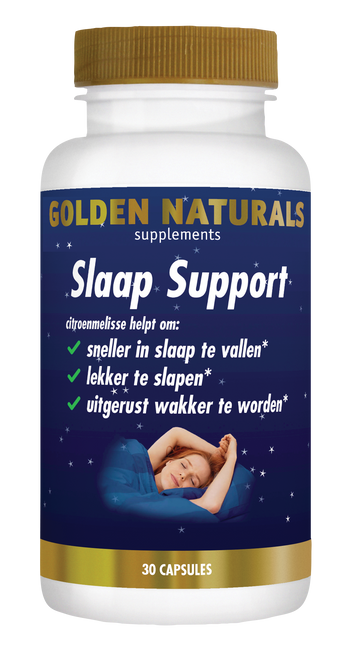
Natural support for sleep and sleep
A good night's sleep starts with rest and regularity, but sometimes it can be nice to support your body in this in a natural way. There are several ingredients that are traditionally used for relaxation and sleep. Think of plant extracts such as valerian or passionflower, or substances that occur naturally in the body, such as melatonin. Whatever your needs, it is important to choose what suits you and always keep listening to your body.At Golden Naturals, we offer a wide range of natural support for sleep and sleep.