
Which fruits and vegetables are rich in magnesium?
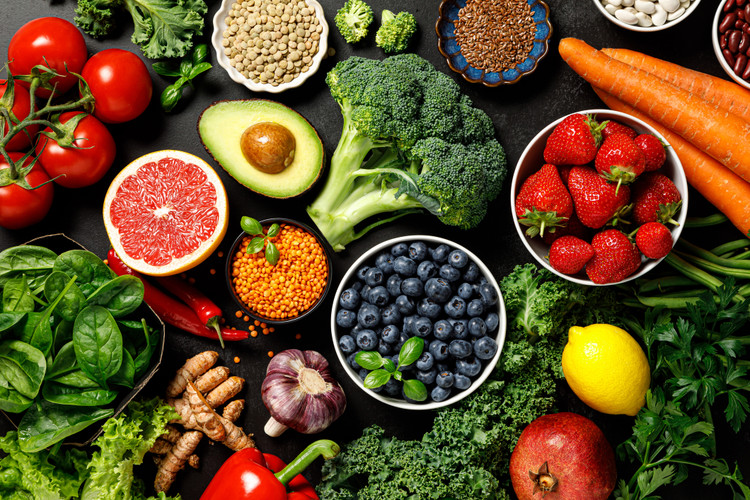
You’ll find magnesium in a surprising number of fresh produce items that end up in your shopping basket every day. Dark leafy greens in particular, such as spinach and Swiss chard, are known for their ability to store this mineral from the soil. Fruits such as bananas and avocados also provide a tasty way to boost the amount of minerals you get from your diet. By making smart choices at the greengrocer’s, you can lay a solid foundation for your daily intake.
The importance of magnesium for the body
This mineral is found in a wide range of foods that you put on the table every day. High-fibre foods are generally the best sources of this nutrient. Think of a mix of pulses, nuts, wholemeal grains and various types of fruit. The amount per portion varies considerably: a glass of milk contains around 24 mg, whilst a small handful of pumpkin seeds can easily provide 156 mg. A varied diet helps you meet your daily requirements. A high-quality magnesium supplement can be a useful addition to these natural sources:
| food | amount of magnesium |
|---|---|
| pumpkin seeds (30 g) | 156 mg |
| chia seeds (30 g) | 111 mg |
| Almonds (30 g) | 80 mg |
| spinach (1/2 cup, cooked) | 78 mg |
| cashew nuts (30 g) | 74 mg |
| peanuts (1/4 cup) | 63 mg |
| soya milk (1 cup) | 61 mg |
| wholemeal bread (2 slices) | 46 mg |
| avocado (1 cup, diced) | 44 mg |
| brown rice (1/2 cup cooked) | 42 mg |
| Oatmeal (100 g cooked) | 29 mg |
| milk (1 cup) | 24 mg |
Including these ingredients in your meals is a sensible step towards achieving balance from within. This way, you nourish your body with essential minerals whilst enjoying a healthy and nutritious meal.
Green leafy vegetables as a source of magnesium
Fresh leafy greens form a solid foundation if you’re looking for natural ways to top up your mineral levels. Spinach, kale and Swiss chard are simple additions to a hot dish or a fresh salad. These crops draw nutrients directly from the fertile soil, making them a valuable part of your diet. By choosing these green vegetables more often, you can boost your intake through your diet in a completely natural way.
Other magnesium-rich vegetables
As well as the well-known leafy greens, there are many other types of vegetables that contain a good amount of this mineral. Kohlrabi is a good example, with around 43 mg per 100 grams. Frozen peas are handy to have in the freezer and provide around 37 mg per portion. Frozen chopped spinach is also an excellent source, with 31 mg per 100 grams. Courgettes and parsnips round off the list with 27 mg and 23 mg respectively. Variety not only adds flavour but also ensures a diverse intake of nutrients. For those who wish to take a specific form of magnesium alongside their diet, magnesium citrate is a popular choice.
Fruits with a high magnesium content
Although vegetables often get the most attention, the fruit basket also offers excellent options. The banana is a well-known favourite that contains other beneficial nutrients as well as magnesium. Avocados are also a rich source and, what’s more, add healthy fats to your lunch. Dried fruits such as figs and dates have a higher concentration of minerals: do bear in mind the natural sugars, though. By eating different types of fruit throughout the day, you ensure a steady supply. A supplement containing magnesium bisglycinate can be a good option to further optimise your intake.
Tips for incorporating magnesium-rich fruit and vegetables into your diet
Incorporating these healthy foods into your daily routine is easier than you think. Start your morning with a smoothie combining a banana and some leafy greens. For lunch, a bowl of kale, avocado and some unsalted nuts is a sensible choice. At dinner, you could opt for steamed broccoli as a side dish more often to boost your intake. As a snack, almonds or a small piece of dark chocolate are excellent alternatives. With these small steps, you can make the most of the natural goodness in your diet.
Tips for incorporating magnesium-rich fruit and vegetables into your diet
You can enrich your meals at various times with these minerals by making clever combinations. Here are a few practical tips:
- Morning: blend spinach and fruit in a blender for a refreshing start
- Lunch: a salad with raw courgette and a handful of almonds gives your meal a lovely crunch
- Evening: add an extra spoonful of peas or broccoli to your hot meal
- In between meals: a banana or some dried figs make handy snacks for when you’re on the go
By consciously choosing these ingredients, you’re supporting your body every day through your own diet. This is the most sensible way to manage your mineral balance.
Conclusion
Choosing a diet rich in magnesium-packed fruit and vegetables is a logical step towards supporting your body. With a varied mix of nuts, bananas and fresh leafy greens, you’ll lay a solid foundation for your general wellbeing. Sometimes you may need a targeted supplement alongside your healthy meals. In that case, take a look at the various magnesium supplements from Golden Naturals that suit your situation. That way, you’ll always find a solution that fits your natural lifestyle and daily needs.