
What is the difference between magnesium and iron?
Understanding the differences between magnesium and iron helps you to nourish your body properly with these minerals. Although both are essential for feeling full of vitality, they each play a distinct role in your system. Magnesium focuses primarily on muscle relaxation and skeletal health, whilst iron is the driving force behind the transport of oxygen through your bloodstream. In this article, we’ll explore the unique characteristics of these natural substances and how they work together for your overall wellbeing.
Chemical properties of magnesium and iron
In natural science, magnesium is known as a light metal with a silvery sheen. In nature, it is usually found in compounds with other elements, such as in minerals and rocks. Iron, on the other hand, is much heavier, has a darker colour and a higher density. These natural characteristics mean that your digestive system processes and stores both substances in very different ways, ready for when your body needs them.
Biological functions of magnesium in the body
Your body uses magnesium for hundreds of different reactions, with a key role in muscle function and maintaining strong teeth. The mineral contributes to your mental resilience and helps when you experience a lack of energy during the day. A good balance of magnesium is therefore important for your overall fitness and for ensuring smooth nerve signal transmission.
Biological functions of iron in the body
The main role of this mineral is to support the production of haemoglobin, which is needed to carry oxygen throughout your body. In addition, iron helps release energy from your food and supports your natural immune system. If you get enough of this nutrient, you’ll find that your body doesn’t tire as quickly and you can keep up with your daily activities more easily.
Interactions between magnesium and iron
It’s wise to be mindful if you want to take both minerals at the same time, whether through your meals or as supplements. As they use the same absorption sites in your gut, a large amount of one substance can hinder the absorption of the other. By varying your diet, you can usually prevent this sort of situation naturally. When taking supplements, it may be wise to spread the times of intake throughout the day.
Dietary sources of magnesium and iron
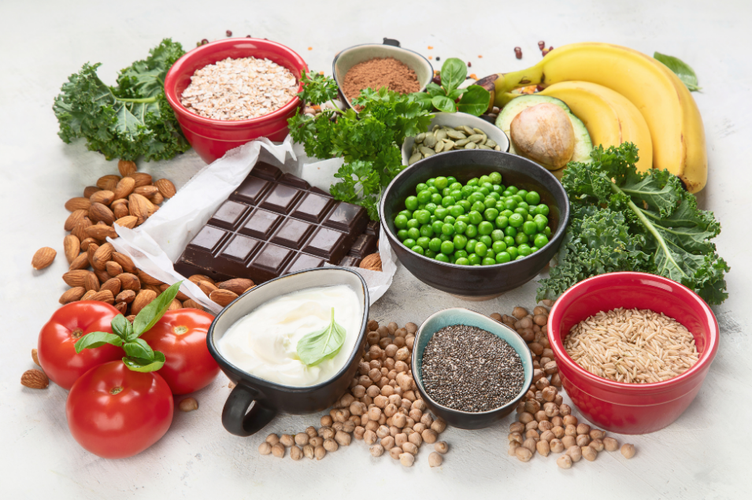
You get most of your daily magnesium from foods such as unsalted nuts, seeds, pulses and various green vegetables. For iron, you can turn to animal products such as meat, as well as plant-based sources such as wholemeal grains and lentils. It’s a good idea to eat iron-rich foods alongside foods containing vitamin C: this helps your body make better use of the iron from plant sources.
Consequences of magnesium and iron deficiencies
A low intake of magnesium often manifests as muscle tenderness or a persistent feeling of lethargy. When iron levels are too low, you often notice that a person looks less energetic or gets out of breath more quickly during physical exertion. Maintaining stable levels of both minerals through a varied diet is the most natural way to keep your body in good condition.
Recommended daily intake and at-risk groups
Men need around 350 milligrams of magnesium a day, whilst women can aim for around 300 milligrams. For iron, higher intake levels are often recommended for women of childbearing age due to monthly blood loss. People who exercise regularly or follow a plant-based lifestyle should also be particularly mindful of their intake of these two nutrients to maintain their reserves.
By consciously choosing unprocessed and natural foods, you lay a solid foundation for a good supply of all the nutrients your body needs.
Chemical properties of magnesium and iron
Both elements are metals that form part of the earth and of your own physical constitution. Magnesium is a soft material that readily forms compounds with other substances and is therefore commonly found in salts. Iron is a harder metal that is sensitive to oxygen, as seen in the oxidation process. In your body, these metals are bound to proteins so that they can carry out their specific functions safely and effectively.
Biological functions of magnesium in the body
This mineral is an essential component of your energy metabolism because it helps convert food into fuel for your cells. It contributes to healthy muscle function and supports bone strength throughout your life. It is also important for clear focus and good concentration during your daily activities.
Biological functions of iron in the body
Iron forms the core of your red blood cells and ensures that oxygen molecules can be transported throughout your body. Without this mechanism, your system would not have enough fuel to remain active. It also supports your resistance to external influences and helps you stay mentally sharp by contributing to normal cognitive function.
Interactions between magnesium and iron
If you look at how they are processed in your digestive system, you’ll see that these two minerals can sometimes compete with each other. An excess of one element can limit the absorption of the other in the small intestine. That is why it is wise to eat a varied diet or to avoid consuming different products at exactly the same time.
Dietary sources of magnesium and iron
Magnesium is found in large quantities in dark chocolate, almonds and wholemeal products. Iron is found as haem iron in animal sources and as non-haem iron in plant-based foods such as spinach and beans. It is worth noting that your body usually absorbs the animal form more easily than its plant-based counterpart.
Consequences of magnesium and iron deficiencies
Signs from your body, such as tiredness or sore muscles, may indicate a need for extra minerals. Magnesium supports physical relaxation, whilst iron has a direct impact on your energy levels via the bloodstream. A diet rich in fresh vegetables, nuts and seeds helps you maintain a natural balance of these nutrients.
Recommended daily intake and at-risk groups
The daily amount you need can vary depending on your stage of life, with young people who are still growing often having increased requirements. Women who are expecting should pay particular attention to their iron intake to support both their own bodies and that of their baby. As for magnesium, periods of increased physical exertion may require a higher daily intake than the average recommended amount.
Summary
Although magnesium and iron are both minerals, they have completely different effects on your wellbeing. Magnesium focuses on relaxation and bone health, whilst iron is the driving force behind oxygen transport and energy levels. By consciously choosing the right diet or high-quality dietary supplements, you give your body the natural support it deserves.