
Which vegan sources contain magnesium?
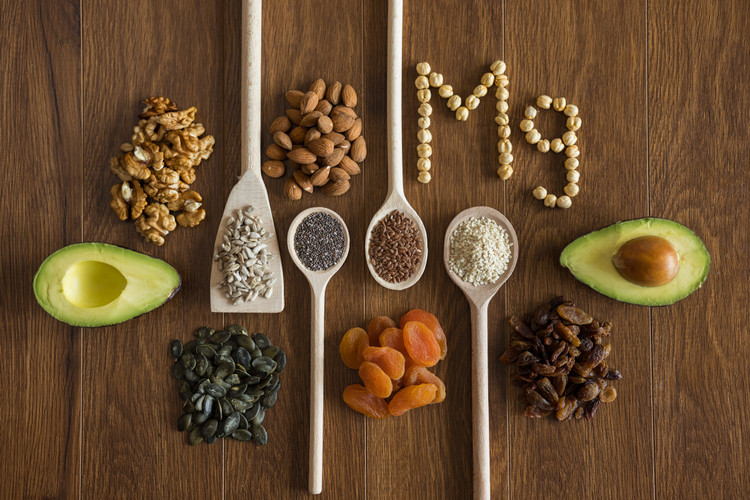
Those who follow a fully plant-based diet will find an abundance of this mineral in the natural bounty of plants and seeds. It’s perfectly possible to maintain optimal levels without animal products, simply by making the right choices at the greengrocer’s and the market. We’ll explain which plant-based options offer the greatest benefit for your magnesium levels and how to organise this effectively.
The soil passes this mineral on to crops, which then end up on your plate as a healthy staple. By focusing on whole grains and dark leafy vegetables, you’re already building a solid foundation for your magnesium intake through your meals. A varied and colourful diet helps you to nourish yourself properly without having to make complicated calculations.
Top vegan sources of magnesium
A well-stocked larder is the starting point for a magnesium-rich plant-based diet. Almonds and cashews, along with pumpkin seeds, are excellent sources of this mineral. You can easily add them to your breakfast or enjoy them as snacks. For your evening meal, black beans and lentils are excellent choices, whilst brown rice or quinoa will enrich your meal with even more nutrients. Fresh vegetables, such as kale and spinach, also make a significant contribution to your magnesium intake. So there’s every reason to include them regularly in your recipes!
Recommended daily allowance (RDA) of magnesium
Your daily requirement varies from person to person and depends on your age and gender. According to general advice (the ‘adequate intake’ or ‘reference intake’), adult men need around 350 milligrams of magnesium per day, whilst the guideline for women is around 300 milligrams per day. Women who are pregnant or breastfeeding do not necessarily need more magnesium. For children, however, the guideline is different: girls aged 10 and over need around 250 milligrams a day, and boys aged 10 and over around 300 milligrams. There are exceptions, however, such as people who exercise very intensively: through sweating, your body loses more magnesium, meaning your intake requirements are higher than for people who do not exercise. With this information in mind, you can easily assess whether your current eating habits meet your needs.
Tips for getting enough magnesium from plant-based sources
Increasing your daily intake is very easy with a few simple changes to your routine:
- vary your intake as much as possible: alternate between different types of seeds, nuts and green leafy vegetables to ensure a broad intake
- Choose wholegrain more often: swap white pasta or white bread for the wholegrain version to get extra minerals from the bran
- Choose smart snacks: a handful of unsalted nuts is an easy way to top up your levels throughout the day
- serve pulses more often: make dishes using chickpeas or lentils as the basis for your meal
- Eat more leafy greens: add extra greens to your salads or smoothies for a natural magnesium boost
Even with a well-planned plant-based diet, your dietary intake alone may not be sufficient. Or you may feel uncertain about this because you or your body are facing challenges. In such cases, taking a supplement can be a practical solution to keep your magnesium levels balanced. However, always view a supplement as an extra and not as a substitute for your varied meals. One easily absorbed option, for example, is magnesium citrate, which fits well with a vegan lifestyle.
Possible consequences of a magnesium deficiency
Fortunately, magnesium deficiency is not very common. As only 1% of your total magnesium is found in the blood, it is also difficult to measure a deficiency accurately through blood tests. The majority of the magnesium in your body is found in your bones, teeth, cells, muscles, organs and nerve tissue. Magnesium contributes to physical fitness, helps combat fatigue and supports normal mental function. So listen carefully to what your body is telling you and make adjustments by eating mineral-rich foods or taking a product such as magnesium bisglycinate for targeted supplementation.
Summary
For those following a vegan diet, there are plenty of natural sources available to meet your daily magnesium requirements. By cleverly varying your intake with seeds, nuts and wholemeal products, you lay a healthy foundation for your body. If you need extra support, Golden Naturals’ magnesium products offer a suitable solution. A form such as magnesium citrate, for example, can serve as an excellent addition to your daily routine.